
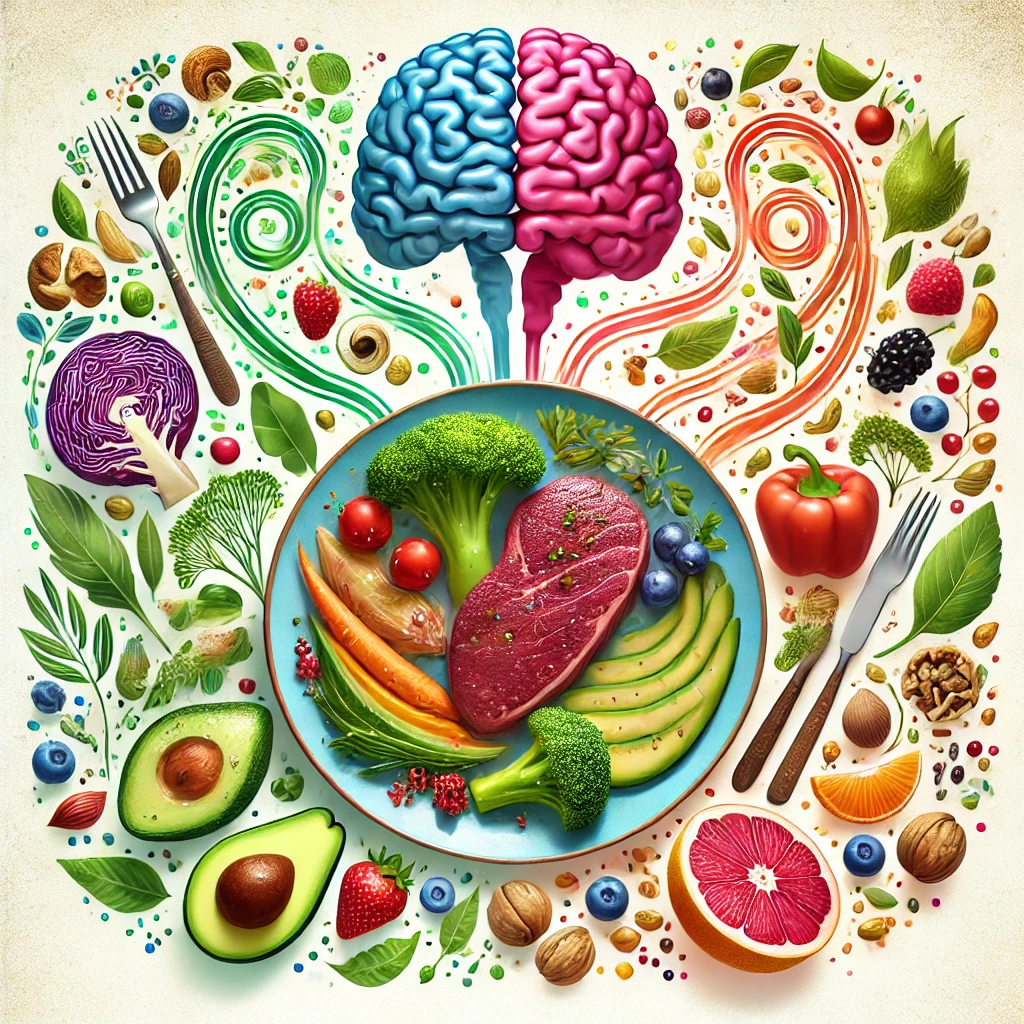
Eating Well for Mental Health: Exploring the Gut-Brain Connection
Maintaining good mental health involves more than just psychological care—it also requires a mindful approach to what we eat. Our diet has a profound impact on our brain function and emotional well-being. This connection is often referred to as the gut-brain axis, a bidirectional link between our gastrointestinal tract and our brain.
The Gut-Brain Connection
The gut-brain connection is an intricate communication system between our gastrointestinal tract and our brain. This system involves:
- The Vagus Nerve: A major conduit for messages between the gut and the brain.
- Neurotransmitters: Chemicals like serotonin and dopamine, which influence mood and are produced in the gut.
- Gut Microbiota: The trillions of bacteria residing in our intestines that play a crucial role in our overall health, including mental health.
When our gut is healthy, it can positively influence our mood and cognitive functions. Conversely, an unhealthy gut can contribute to mood disorders, anxiety, and depression.
Diets and Mental Health
Different dietary approaches can have varied effects on mental health. Here’s a look at two popular diets:
The Carnivore Diet
The carnivore diet consists solely of animal products—meat, fish, eggs, and some dairy. Proponents of this diet argue that it can reduce inflammation, improve mental clarity, and boost mood. Some potential benefits include:
- Reduction in Processed Foods: Eliminating processed foods can reduce inflammation.
- Stable Blood Sugar Levels: A high-protein, low-carb diet can prevent blood sugar spikes and crashes, which are often linked to mood swings.
- Increased Intake of Omega-3 Fatty Acids: Found in fish and certain meats, omega-3s are known for their anti-inflammatory properties and positive effects on brain health.
The Vegan Diet
A vegan diet excludes all animal products, focusing instead on fruits, vegetables, grains, nuts, and seeds. This diet is rich in nutrients that support brain health, such as:
- Antioxidants: Found in abundance in fruits and vegetables, antioxidants protect brain cells from oxidative stress.
- Fiber: Promotes a healthy gut microbiome, which is linked to improved mood and cognitive function.
- Folate: Present in leafy greens and legumes, folate is crucial for brain function and emotional regulation.
Practical Tips for a Gut-Healthy Diet
- Eat a Variety of Foods: Incorporate a range of fruits, vegetables, lean proteins, and whole grains.
- Include Probiotics: Foods like yogurt, kefir, sauerkraut, and kimchi can boost gut health by adding beneficial bacteria.
- Stay Hydrated: Adequate water intake is essential for all bodily functions, including brain and gut health.
- Limit Processed Foods and Sugars: These can disrupt the balance of gut bacteria and contribute to inflammation.
- Manage Stress: Chronic stress can negatively impact the gut-brain axis. Practices like mindfulness and meditation can help manage stress levels.
By understanding and nurturing the gut-brain connection, we can make dietary choices that not only support our physical health but also enhance our mental well-being. Whether you lean towards a carnivore or vegan diet, the key is to listen to your body and find a balanced approach that works for you.