
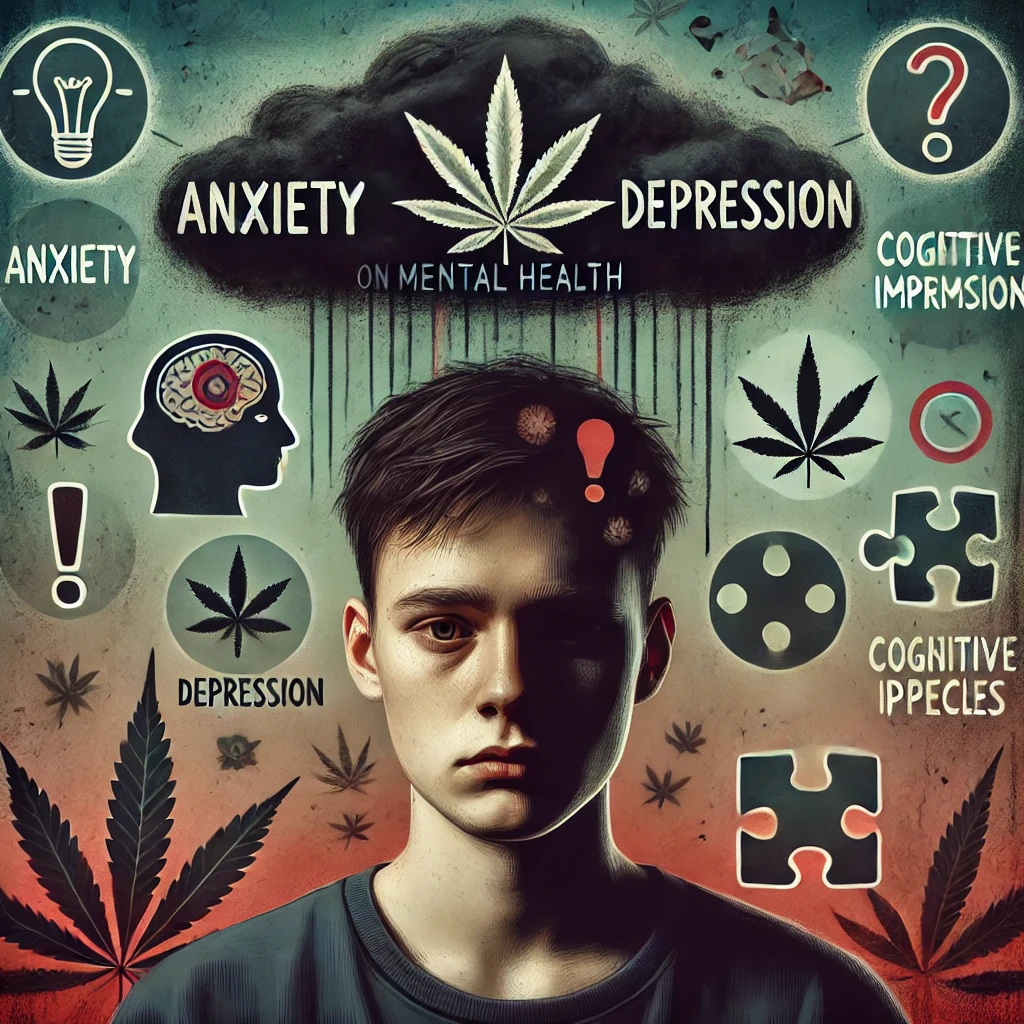
The Negative Effects of Weed on Mental Health
While cannabis is often touted for its medicinal benefits and recreational enjoyment, it’s crucial to understand the potential negative effects it can have on mental health. As society increasingly embraces weed, it’s important to consider the full spectrum of its impact, particularly on mental well-being.
Immediate Effects
- Anxiety and Paranoia: One of the most common short-term side effects of cannabis use is anxiety and paranoia. This is often due to the psychoactive compound THC, which can induce feelings of fear and unease, especially in high doses.
- Impaired Memory and Cognitive Function: Cannabis can affect short-term memory and cognitive abilities. This can lead to difficulties in learning, concentration, and retaining information, impacting daily life and productivity.
Long-Term Effects
- Risk of Psychosis: Regular and heavy use of cannabis has been linked to an increased risk of psychotic disorders, including schizophrenia. This risk is particularly high for individuals with a family history of mental illness.
- Depression and Mood Disorders: There is evidence to suggest that long-term cannabis use can contribute to the development of depression and other mood disorders. The disruption of normal brain function and chemical balances can lead to prolonged periods of low mood and emotional instability.
- Dependency and Withdrawal: Despite its reputation as a non-addictive substance, cannabis can lead to dependency and withdrawal symptoms. This includes irritability, sleep disturbances, and a strong craving for the substance, which can exacerbate mental health issues.
Impact on Daily Life
- Reduced Motivation and Productivity: Known as “amotivational syndrome,” chronic cannabis use can lead to a significant decline in motivation and ambition. This can affect academic performance, career prospects, and overall quality of life.
- Social Isolation: Cannabis can impact social interactions and relationships. Users may withdraw from social activities, leading to isolation and a lack of support systems, which are crucial for mental health.
Youth and Adolescents
The negative effects of cannabis are particularly pronounced in young people. Adolescents who use cannabis are at a higher risk for developing mental health issues, as their brains are still developing. Early use can lead to long-lasting cognitive and emotional problems.
Conclusion
while cannabis has its place in medical and recreational contexts, it’s essential to be aware of its potential negative impacts on mental health. If you or someone you know is struggling with cannabis use and its effects on mental health, seeking professional help is a vital step toward recovery and well-being. Understanding these risks can lead to more informed choices and a healthier relationship with cannabis.