
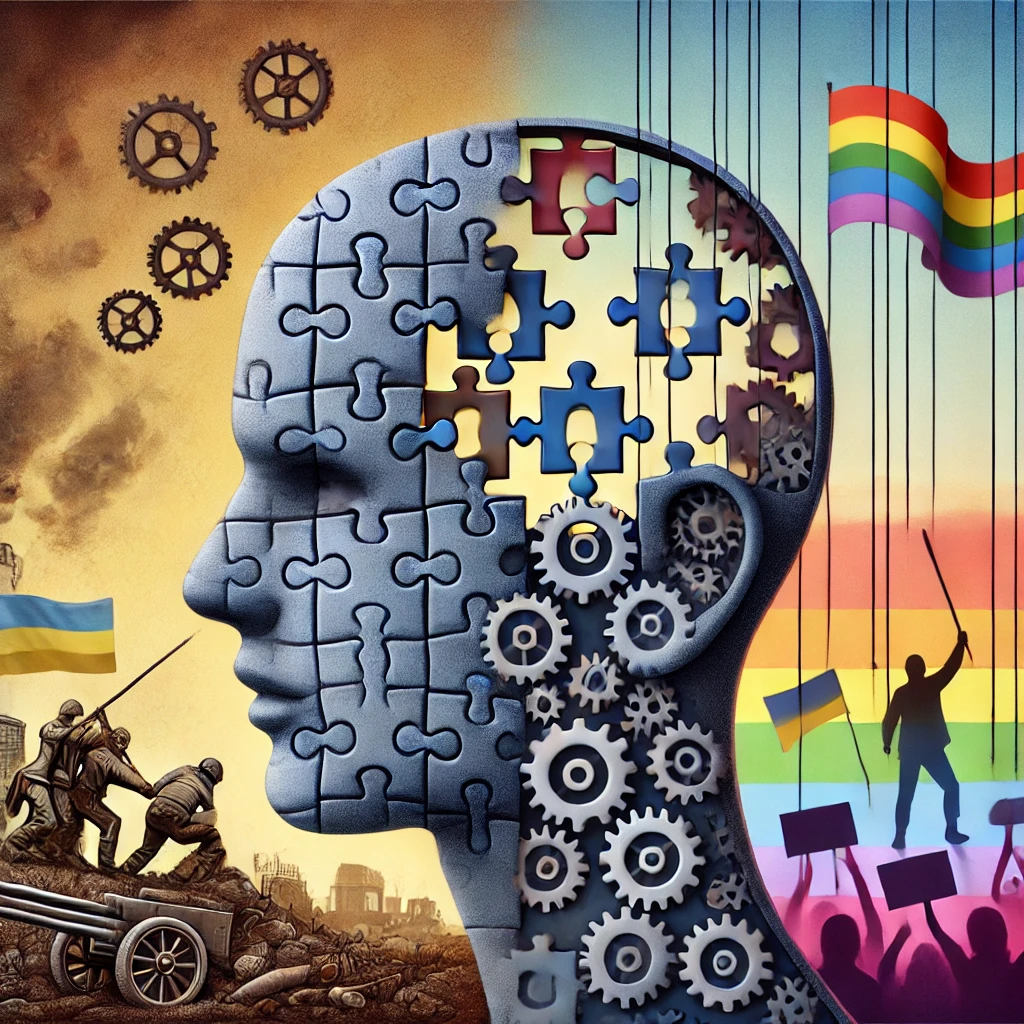
The Hidden Cost of Our Belief Systems: How We’re Shaped and Why It Matters
Have you ever stopped to wonder why you believe what you do? Not just the big stuff—like religion or politics—but the little flags you wave, the hashtags you post, the causes you cheer for without a second thought? We live in a world where sharing a trending opinion online can feel like a moral win. But what if those beliefs, the ones we’re so quick to champion, are quietly doing more harm than we realize?
At livetastic.ca, we’re all about living intentionally, and that starts with understanding how our belief systems are built and what they mean for the world. Disclaimer: This post isn’t about judging people or their rights—it’s about questioning the ideas we’re handed and their real-world impact. Let’s explore how beliefs form, why they can lead us astray, and how we can rethink them, using the war in Ukraine and debates around gender reassignment in children as examples.
How Beliefs Take Root
We’re not born with opinions—they’re shaped over time. Parents, teachers, and TV plant the first seeds. Then come social media algorithms, news headlines, and influencers, feeding us what to care about and rewarding us with likes when we signal the “right” stance. Before long, these ideas feel like ours, and we defend them without always digging into where they came from—or what they’re supporting.
Example 1: The War in Ukraine
Take the war in Ukraine, which kicked off in 2014 with Russia’s annexation of Crimea and exploded into a full-scale invasion in February 2022. By March 2025, it’s still raging, with tens of thousands dead—soldiers, civilians, kids—and millions displaced. On X, you’ll see blue-and-yellow flags everywhere, #StandWithUkraine posts piling up likes, and folks rallying behind Ukraine as a symbol of freedom against tyranny. It’s a powerful story: a small nation fighting a big bully. Who wouldn’t want to root for that?
But the story we’re sold isn’t the whole picture. Western media and governments highlight Russia’s aggression (which is undeniable), but often skip over decades of buildup: NATO’s expansion eastward, Ukraine’s internal struggles with corruption, or how both sides are armed by global powers playing a proxy game. On the flip side, Russian propaganda spins it as a defense against Western encroachment, rallying their own people. We’re fed these competing narratives, pick a side, and post our support—usually the flag that feels most righteous.
What’s the cost? Our belief that we’re “helping” keeps the conflict rolling. Billions in weapons pour in, sanctions hit hard, and the fighting drags on—cities flattened, families shattered. I’m not saying war is never justified, just that we rarely pause to ask: What’s really happening here? Who’s benefiting? Our programmed support might be propping up a cycle of violence we don’t fully understand, all because we bought the simplified version.
Example 2: Gender Reassignment in Children
Now consider the debate around gender reassignment in children—a topic that’s become a lightning rod. On one side, advocates argue that supporting kids with hormone blockers or surgery is compassionate and critical. They point to stats from groups like the Trevor Project, showing trans youth face high rates of depression and suicide without affirmation. On the other, critics cite the UK’s Cass Review (2024), which found puberty blockers can affect bone density and brain development, and noted some kids with gender dysphoria later identify with their birth sex if given time. They worry about irreversible choices too early.
Both sides have their megaphones: progressive voices on TikTok push “protect trans kids,” while conservative outlets warn of “mutilation” or “lost childhoods.” Scroll X, and you’ll see rainbow flags clashing with stats, each camp dug in. Most of us pick a belief based on what we’re fed—headlines, influencers, fear, or hope—and run with it. Maybe you’ve shared a post for inclusion or raised a concern about risks. But how often do we step back and ask: What’s the full story?
The fallout? When we cling to these polarized beliefs, the conversation gets loud and rigid. Families navigating this—parents, kids, doctors—get caught in the noise. One side’s “support” might pressure a kid into a path they’re not ready for; the other’s “caution” might delay care someone truly needs. Schools and policies swing hard one way or another, leaving little room for what matters: figuring out what’s best for each unique child. This isn’t about denying anyone’s rights—it’s about how our snap judgments can drown out the nuance real people need.
The Damage We Don’t See
These belief systems aren’t just quirks—they ripple outward. In Ukraine, our unexamined support helps fuel a war that’s orphaned kids and leveled homes, all while we feel good about our flags. In the gender debate, our dug-in stances turn a personal issue into a shouting match, leaving families and kids stuck in the middle. We’re not trying to hurt anyone—we’re just following the scripts we’ve been handed, often without a second look.
Breaking the Cycle
So how do we stop? It’s simple but hard: slow down. Before you post that flag or share that take, ask: Why do I believe this? Who shaped it? What am I missing? Dig into Ukraine’s messy history beyond the headlines. Read up on gender dysphoria—studies, not just slogans. Talk to someone who sees it differently, and listen. It’s okay to not have all the answers.
At livetastic.ca, we think living well starts with thinking well. Our beliefs aren’t just opinions—they’re the lenses we see through, the choices we make every day. If we want a better world, we’ve got to question them and let go of the ones that don’t hold up. This isn’t about attacking anyone—it’s about waking up to what we’re really supporting.
What’s one belief you’re ready to rethink? Share it in the comments—let’s sort it out together.